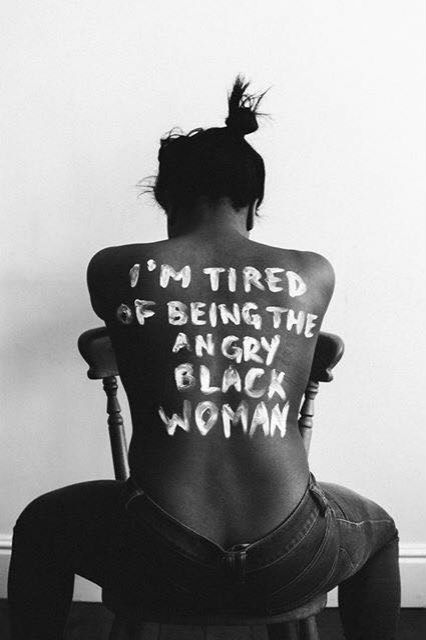
Have you ever had someone tell you something that just didn’t sit right with you?
It may have been said during casual conversation, or produced a few laughs in a group setting, but regardless, you know it’s wrong. But it didn’t seem like everyone else knew that. Microaggressions can be seen in almost every form. It can be so overtly racist to the point people find the rest of casual conversation uncomfortable, or so micro that no one notices it. Either way, there’s a certain nature around the way microaggressions work, especially in a setting where you feel as though you are underrepresented.
According to Mental Health America, “Microaggressions are subtle, sometimes unintentional comments or actions insulting a person’s identity.” While race and ethnicity is among the most common of microaggressions, they can also harm other groups within religious affiliation, sexuality, gender, and more. Regardless of who it’s directed to, microaggressions can be extremely harmful to the mental health and self-esteem of anyone, especially youth.
There are several examples of how this harm could occur. Common ones change with the group and race. For example, a Black person could feel intellectually inferior when another person says “You’re so articulate!” or uses Affirmative Action and DEI policies the sole reason for a person’s sucesss—whether in university, the workplace, or anywhere else.
Microaggressions can be told through actions too, not just words. A person could tell another “They speak good english,” or grab their personal belongings closer when someone walks into a room. This communication of stereotypes extends beyond conversation, but body language, and overall attitude towards another person.
Overall, we should be more mindful of assumptions we make about a person before really getting to know them, and not tying them to stereotypes associated with groups they happen to be affiliated with, good or bad.
Comments are closed